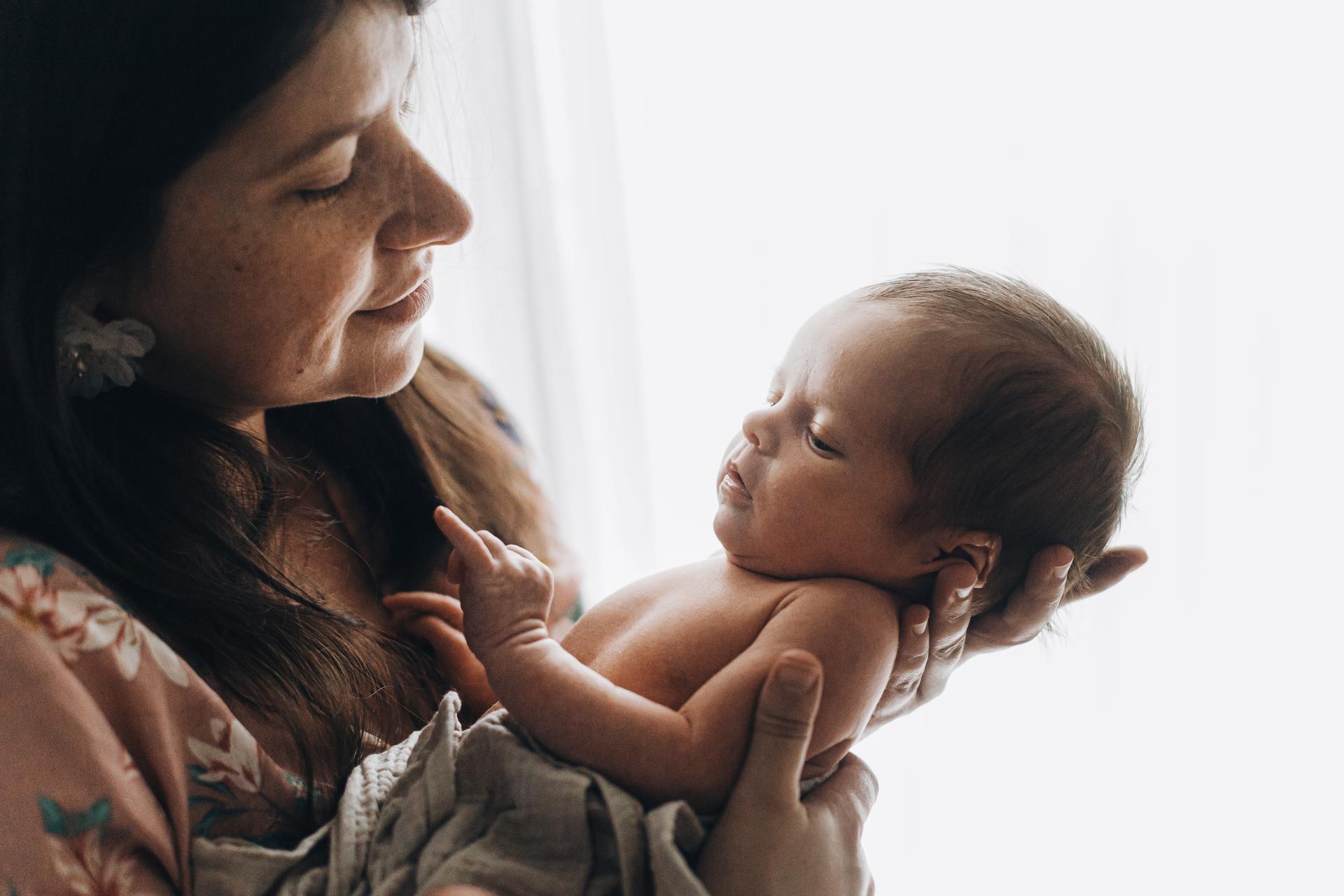
While researchers debate whether cash assistance helps families, we've been proving it works this year.
This summer, researchers published findings that supported the claim that cash aid isn't effective. The Baby's First Years study gave low-income parents $333 monthly for four years and found no significant impacts on standardized developmental measures. The new findings have been weaponized by politicians calling for an end to cash aid—but the headlines won't tell you why the study was problematic in some ways.
$333 per month wasn't enough to lift families out of poverty—most participants remained below the federal poverty line throughout the entire study. Even more critically, the cash was provided during the height of the Covid pandemic, with limited community support, education, or services that we know make the difference between surviving and thriving. Yet even within these challenges, families could afford items that helped such as winter coats and zoo trips—gains that highlight what numerous studies show: participants in cash aid programs are more financially secure and less stressed, creating safer homes for their children.
Global evidence backs this up. In Kenya, $1,000 payments cut infant mortality in half among families with young children. However, benefits began to drop when participants lived more than 30 minutes from a healthcare provider. The lesson? Cash can be powerful, but only when people have the infrastructure around them to use it.
At Mama2Mama, we’ve seen this firsthand. Since the L.A. wildfires in January, we have distributed over $135,000 in emergency cash to more than 100 families who are pregnant or up to one year postpartum. This support has helped cover urgent needs such as diapers, groceries, and temporary housing at a time when bureaucracy has delayed other forms of aid or restricted its use. The feedback has been clear: cash allowed families with babies to prioritize what they needed most, when they needed it most. One recipient said: